Your product photos are fine. Your first image is not.
6 min read
When a listing gets traffic and no orders, the instinct is to reshoot everything. Usually the photographs are acceptable and the order they appear in is not. That is a much cheaper problem.
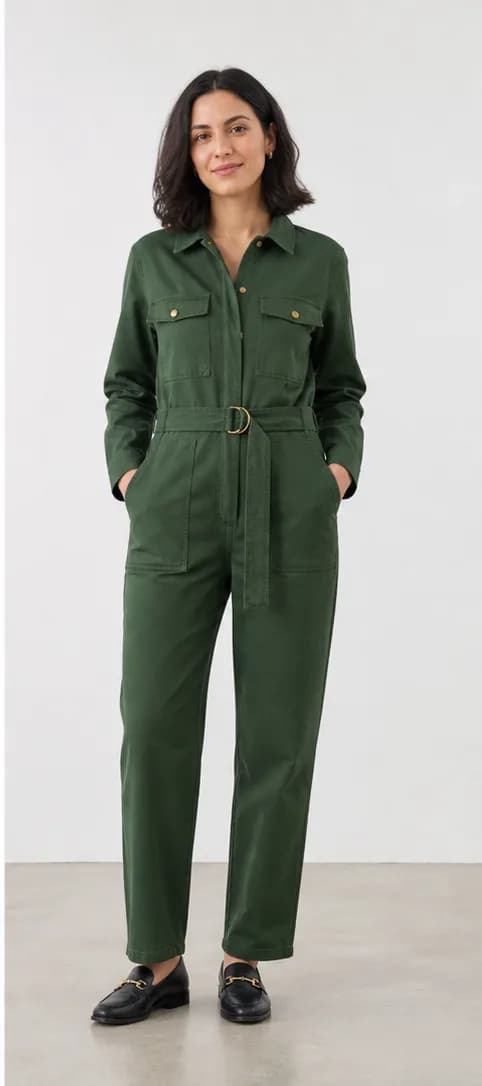
The first image answers one question
A shopper scanning results is not evaluating your product. They are deciding whether it is the category of thing they were looking for. The first image has to answer that and nothing else, in the fraction of a second before the thumb moves.
This is why detail shots fail as first images. A close crop of a beautiful texture is an excellent third image and a terrible first one: it answers a question nobody has asked yet.
Scale is the most common gap
The second question, immediately after "what is it", is "how big is it". An object photographed alone against a plain background has no size. A ceramic mug and a ceramic planter are the same photograph.
Somewhere in the first three images there should be something that settles this — the product held, worn, on a surface with a known object, or with dimensions drawn on. Listings that skip this get returns rather than lost sales, which is worse.
A sequence that works
The specific images vary by category, but the order is fairly stable across them:
- The whole product, clearly, filling the frame. What is it.
- The product in use or at human scale. How big is it, and what is it for.
- The material or finish, close. Is it well made.
- The variants, together, if there are any. Which one do I want.
- What arrives in the box. Am I going to be surprised.
Test the sequence before reshooting
Reordering the images you already have costs nothing and takes a few minutes per listing. Do that across the catalogue and give it two weeks before commissioning anything new. In most catalogues a meaningful share of the conversion gap closes without a single new photograph.
What is left after that is a real photography problem, and now you know which listings actually have one — instead of reshooting thirty products to fix the four that needed it.